
5 Hidden Operational Costs of Hurricane Season for Restoration Contractors
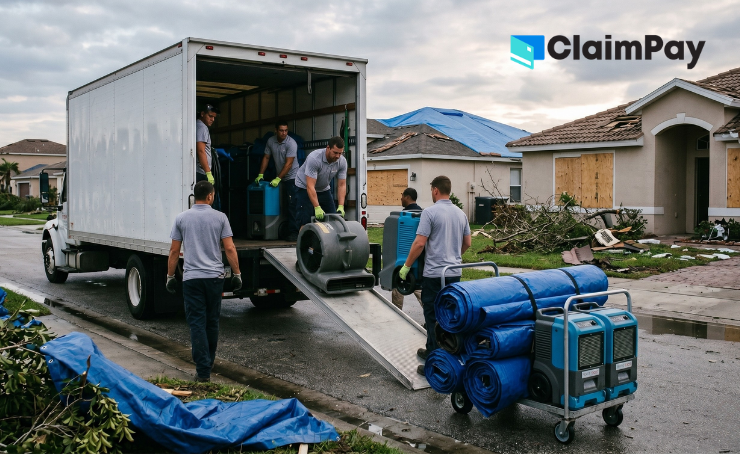
For restoration contractors, hurricane season creates more than emergency calls and storm damage. Rising demand can quickly impact crews, equipment, timelines, and operational flow.
1. Emergency Calls Increase Fast
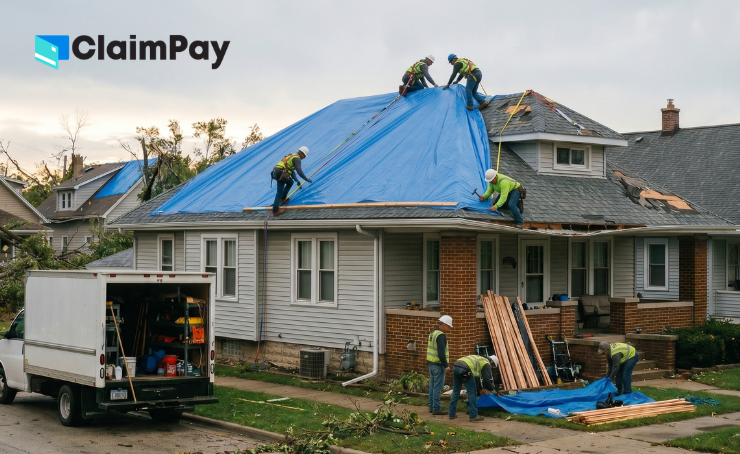
Severe weather can generate multiple emergency requests at the same time. Blue tarp installations, indoor water damage, and emergency drying projects often begin simultaneously, creating immediate operational pressure.
2. Equipment Remains Deployed Longer
During hurricane season, air movers, dehumidifiers, generators, and moisture monitoring equipment may stay active across several projects for extended periods of time.
3. Water Damage Projects Expand Quickly
What begins as minor roof damage can rapidly turn into larger indoor water damage restoration projects involving drywall, insulation, flooring, and mold mitigation.
4. Crews Must Manage Overlapping Jobs
Restoration teams often handle several active projects at once during severe weather events. Maintaining response times and operational efficiency becomes increasingly difficult as demand
5. Lack of Funding Can Slow Operations
As hurricane season intensifies, many contractors face growing operational costs while managing active projects and incoming demand.
ClaimPay is the funding solution for emergency restoration contractors in the residential and commercial space. Our funding helps contractors keep crews active, take on more jobs, and continue helping restore communities during periods of severe weather and high restoration demand.
Preparation Supports Faster Recovery
Hurricane season creates operational challenges that go far beyond the initial storm damage. Contractors that prepare early are often better positioned to respond faster, manage higher demand, and keep restoration projects moving efficiently.
Learn more about ClaimPay’s restoration funding services here .
