
Why Cash Flow Becomes the Real Bottleneck During Storm Season
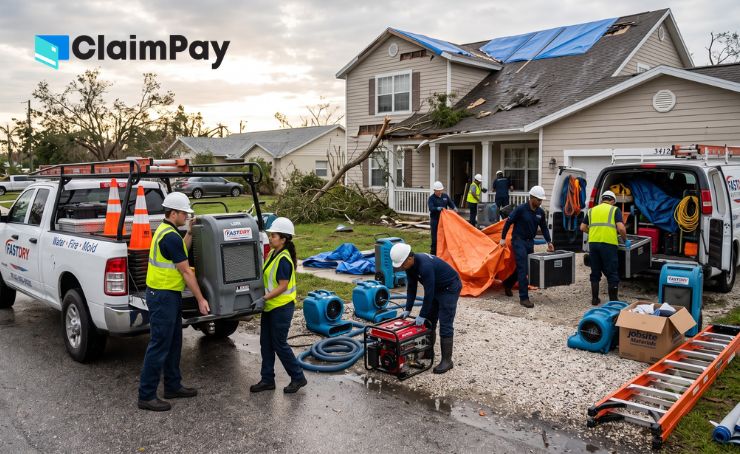
Storm season creates pressure fast.
For restoration contractors, the challenge is not always finding work. When storms increase roof damage, water intrusion, mold, and property damage claims, demand can rise quickly.
The real challenge is having the cash flow to keep up.
Crews need to be paid. Materials need to be purchased. Equipment needs to be moved. Jobs need to start before payments are received. When several projects are active at once, even strong businesses can feel the pressure.
1. Emergency Jobs Require Upfront Spending
Restoration work often starts before money comes in.
A property owner may need emergency mitigation, temporary protection, drying equipment, or immediate jobsite support. Contractors may need to dispatch crews, buy materials, cover fuel, and begin work before insurance payments or receivables are collected.
A job may be profitable on paper, but without working capital to support it, operations can slow down.
2. Crews Need to Stay Active
During storm season, contractors need crews ready to respond quickly. But payroll does not wait for claim payments, approvals, or delayed receivables.
If cash flow becomes tight, contractors may have to limit scheduling, reduce deployment, or avoid taking on additional work. That can affect response time when demand is increasing.
3. Materials and Equipment Cannot Wait
Storm-related restoration often requires fast access to materials and equipment.
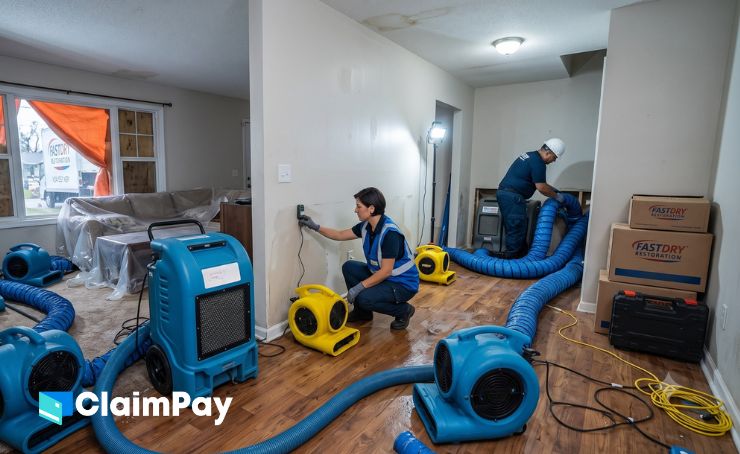
That may include tarps, shrink wrap, drying equipment, safety supplies, vehicles, fuel, tools, and jobsite materials. These expenses often happen early, before payment is completed.
When contractors are waiting on receivables, limited cash flow can delay mobilization, slow progress, and make it harder to control several projects at once.
4. Multiple Jobs Can Stretch Working Capital
One active job may be manageable. Several active jobs at the same time can change everything.
As storm-related demand increases, contractors may need to support multiple crews, properties, equipment needs, and material orders at once.
Without enough cash flow, contractors may have to prioritize certain jobs, delay work, or pass on opportunities they are qualified to handle.
5. Payment Timelines Are Not Always Predictable
Restoration contractors often deal with documentation, approvals, insurance processes, project reviews, and receivables.
Even when the work is valid and properly documented, payment may not arrive on the contractor’s preferred timeline. Vendors still need to be paid. Crews still need support. New calls may still come in.
When payment timing is unpredictable, cash flow planning becomes harder.
Where ClaimPay Fits
Funding can help restoration contractors bridge the gap between work performed and payment received.
ClaimPay provides funding solutions that help contractors maintain cash flow, support crews, and keep restoration jobs moving. For contractors managing storm-related demand, funding is about staying operational, staying in control, and avoiding delays when jobs stack up.
Final Thoughts
Storm season does not only test response speed. It tests operational capacity.
With a funding partner, contractors can keep crews active, keep projects moving, and stay ready when demand increases.
Apply today and keep your operations moving.
Funding approval and timing are based on the provider meeting certain criteria and requirements set forth by ClaimPay. This does not constitute an offer for funding, and ClaimPay retains the sole right to reject or accept a provider’s application.
