
Fire & Smoke Restoration: Why Damage Goes Beyond What You Can See
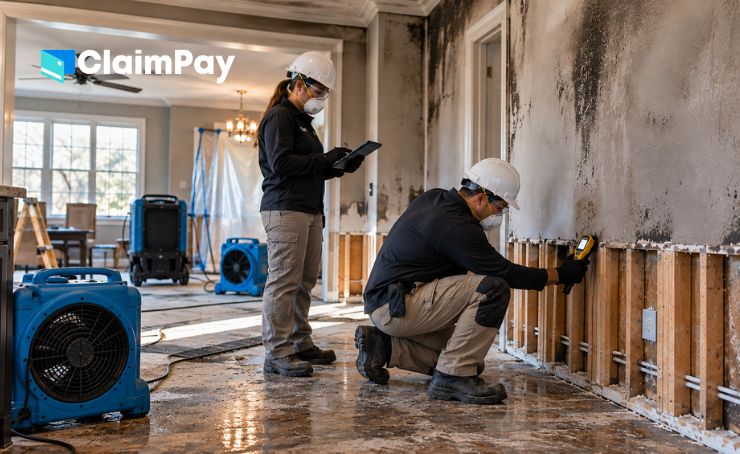
Fire damage is not always limited to what is visibly burned.
For restoration contractors, a fire loss can involve smoke, soot, odors, water from suppression efforts, damaged contents, and affected building materials throughout the property. That can make the restoration scope much broader than it first appears.
Understanding those hidden impacts is important when contractors are planning crews, equipment, materials, and project timelines.
1. Smoke Can Travel Beyond the Burn Area
Smoke can move through rooms, hallways, HVAC systems, and other areas that were not directly affected by flames.
That means contractors may need to evaluate more than the immediate fire zone.
Walls, ceilings, furniture, flooring, and contents can all require inspection and cleaning depending on the extent of smoke migration.
The visible damage may be concentrated in one area, while the actual restoration scope extends much further.
2. Soot and Residue Can Require Specialized Cleaning
Soot can settle on surfaces throughout a property.
Depending on the materials affected and the type of fire, contractors may need specialized cleaning methods, equipment, and products to address residue safely and effectively.
This can increase labor requirements and extend the amount of time crews remain on site.
For larger losses, cleaning may involve multiple rooms, contents, structural surfaces, and equipment.
3. Fire Suppression Can Create Water Damage
Putting out a fire can introduce another restoration challenge: water.
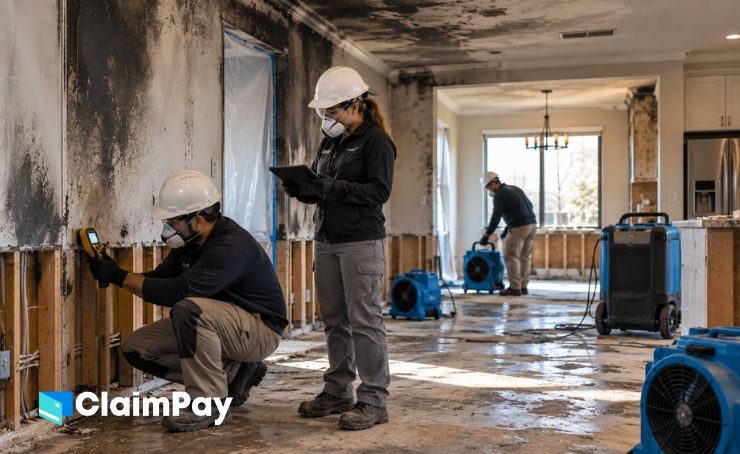
Fire suppression efforts may leave flooring, drywall, insulation, or other materials wet. Contractors may then need to manage water extraction, drying, moisture monitoring, and potential demolition in addition to fire and smoke restoration.
That can turn one loss into a combination of restoration needs.
Crews and drying equipment may remain committed to the project longer than initially expected.
4. Contents and Odor Treatment Add to the Scope
Fire restoration can extend beyond the structure itself.
Furniture, equipment, inventory, personal belongings, and other contents may require cleaning, deodorization, removal, or storage.
Odor treatment can also require additional steps after visible damage has been addressed.
These tasks increase the amount of coordination required and can add labor, equipment, transportation, and material costs to the project.
5. Larger Scopes Require Stronger Operational Planning
As the restoration scope expands, contractors may need more resources committed at the same time.
Additional crews may be required. Equipment may remain deployed longer. Materials and specialty cleaning supplies may need to be purchased before payment is received.
That is why fire and smoke restoration requires more than technical expertise. Contractors also need strong project planning and enough financial flexibility to support the work from start to finish.
Where ClaimPay Fits
ClaimPay provides funding solutions built for restoration contractors.
We help contractors maintain cash flow, support crews, cover labor and material needs, and keep property damage projects moving while payments are still pending.
For contractors handling fire and smoke restoration, access to funding can provide greater flexibility when project scopes expand and operational costs increase.
Final Thoughts
Fire and smoke losses can be more complex than the visible damage suggests.
Smoke migration, soot, water damage, contents cleaning, and odor treatment can all expand the scope of a restoration project.
Contractors who plan for those additional demands are better positioned to keep crews active, manage resources, and move projects forward with greater control.
Stay ready for the next project. Apply for funding with ClaimPay.
Funding approval and timing are based on the provider meeting certain criteria and requirements set forth by ClaimPay. This does not constitute an offer for funding, and ClaimPay retains the sole right to reject or accept a provider’s application.
