
Water Mitigation at Scale: What Contractors Need to Manage When Jobs Stack Up
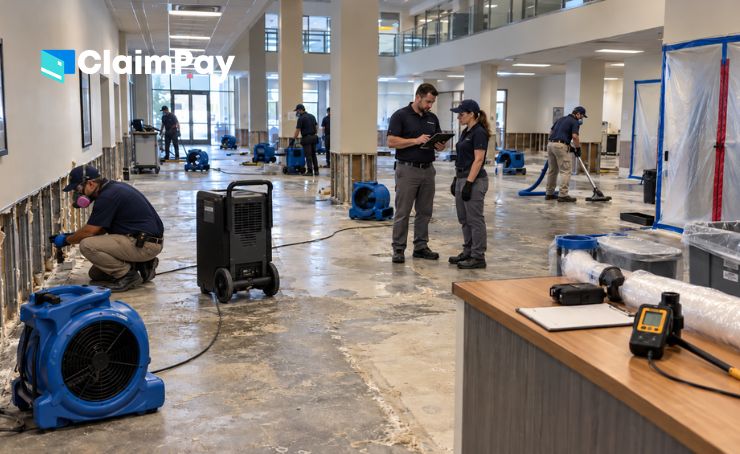
Water mitigation jobs can move quickly.
One active project may be manageable. But when several calls come in at once, pressure on crews, equipment, materials, scheduling, and cash flow can increase fast.
For water mitigation contractors, growth is not only about getting more jobs. It is about having the capacity to manage multiple projects without losing control of daily operations.
1. Drying Equipment Becomes a Capacity Issue
Water mitigation depends heavily on equipment.
Air movers, dehumidifiers, extraction equipment, moisture meters, and monitoring tools may remain tied to one project for several days. When jobs overlap, equipment availability can quickly become a limiting factor.
Contractors need clear visibility into what is deployed, what is available, and what may be needed for the next call.
2. Crew Scheduling Gets More Complicated
Water mitigation is rarely a one-visit job.
A project may require extraction, equipment setup, moisture monitoring, adjustments, documentation, and final pickup. When several jobs are active at once, crews may move between multiple properties throughout the day.
That makes scheduling critical. Contractors need enough flexibility to respond to new calls while continuing to support projects already in progress.
3. Materials and Consumables Add Up
Water mitigation jobs require a steady supply of materials.
Containment supplies, plastic sheeting, PPE, cleaning products, disposal materials, fuel, and other jobsite needs may seem manageable on one project. Across several jobs, those costs can add up quickly.
Strong planning helps contractors keep materials available without slowing active work.

4. Monitoring Continues After the Initial Response
Mobilization is only the beginning.
Crews may need to return to monitor moisture levels, document drying progress, adjust equipment, coordinate access, and update job records.
That means time, equipment, and labor remain committed after the emergency phase. When contractors are managing several water mitigation jobs, keeping each project organized becomes essential.
5. More Active Jobs Require Stronger Financial Readiness
As job volume increases, more resources are committed before every receivable has cleared.
Payroll continues. Equipment remains deployed. Materials need to be replaced. Fuel and transportation costs continue. Vendors may still need payment.
Even profitable projects can create pressure when expenses arrive before payment.
That is why financial readiness matters when water mitigation contractors begin managing more jobs at once.
Where ClaimPay Fits
ClaimPay provides funding solutions built for restoration contractors.
We help contractors maintain cash flow, support crews, cover labor and material needs, and keep multiple projects moving while payments are still pending.
For water mitigation contractors, access to funding can provide greater flexibility when job volume increases and operational costs begin stacking up.
Final Thoughts
Scaling water mitigation work is not only about generating more calls.
It requires crew capacity, equipment, materials, organization, and financial flexibility to keep every active project moving.
With the right systems and funding support in place, contractors can respond to more opportunities without losing control of daily operations.
Stay ready for the next job. Apply for funding with ClaimPay.Funding approval and timing are based on the provider meeting certain criteria and requirements set forth by ClaimPay. This does not constitute an offer for funding, and ClaimPay retains the sole right to reject or accept a provider’s application.
